Thursday, January 22, 2026

Dream Jobs: Lumberjack and Working Outdoors

 We tend to romanticize working outside (and activities like camping) for good reason: the fresh air, the scenery, the weather, being around nature. It feels natural and organic, how humans are supposed to live. 

On the other hand, camping has been rightfully satirized as a bizarre way to have fun -- sleeping outside in an uncomfortable tent on hard ground, having to carry all the comforts of home into the woods, just so you'll feel like you're at home. Why not just stay home? (Of course it's about nature, but also it's about buying the equipment, which is a pretty big part of most hobbies, when you think about it.)

When I was a teenager, I was in the Boy Scouts and enjoyed learning about axes and chopping wood, for some reason. I was lean and strong and well built for this sort of activity (at least then). I found out -- about the same time -- that my family had owned a logging camp in Washington state in the early 1900s, and I'm sure I convinced myself that this was in my blood. Maybe it was, though my Norwegian heritage would also suggest that I would be into fishing, and I've never quite taken to it. ("There's a fine line between fishing and standing on the shore like an idiot," as one comedian once said.)

I arguably held one of my dream jobs when I worked as a summer camp counselor at a place called El Rancho Cima when I was 16-22 years old. I wasn't a "counselor" in the sense of living in a cabin with a group of kids, like the movie Meatballs. At this particular camp, a boys' camp, counselors ran programs and taught kids skills, including outdoorsmanship and things like outdoor cooking, while the boys slept in campsites with adults they knew. 

Anyway, while working with the kids was mostly enjoyable, what I really enjoyed was working outdoors and teaching things like wilderness survival, rock climbing, and, yes, axemanship. At one point, my job title was even "Adventure Director," which sounds pretty cool. (In reality, this meant I managed three or four other guys I mostly considered friends, which wasn't always fun.) I loved working outdoors, taking hikes as part of my job. At times, my job involved driving a little bus and playing the guitar. There was even some acting when I played "Jake," the lost miner, and helped kids "pan for gold" (which was a ruse to keep restless young boys busy for a while, though it usually only took them a half hour or so to figure it out). 

Living the lumberjack dream: This is me, age 15, at the top of a pole climb at Philmont Scout Ranch. 


At this job, I found my "group" in this job, like I belonged. Many of us had the same mindset and had taken a job like this to get away from something, to get away from the feeling of not fitting in elsewhere. In the few years I worked there, I became one of the most popular and well known people at the camp -- a kind of feeling I had never experienced -- probably due in no small part to my guitar skills. (Is there any instrument quite like the guitar? Maybe that's a post for another day.) To this day, I have friends who say I "light up" when talking about this job, and maybe that means it really was my passion for a short time in life. It's hard to follow your passion at all times, but sometimes it finds you and the result is magical and life-altering. 

Wednesday, January 21, 2026

Playing the Trombone

 In junior-high and high school, I played the trombone in the school band. I quit my senior year because there was a schedule conflict with my theatre class, and it was one of the first moments of realizing you can't do everything at the same time, and I was clearly involved with band for the wrong reasons. 

I never liked the trombone as an instrument much, even though I'm generally keen on trying new instruments and can figure out almost anything on a rudimentary level. I am an avid and pretty skilled guitar player, but I've also dabbled with the banjo, the ukulele, and the piano. I chord the piano like a bad lounge act, but it's a remarkably fun instrument with a complex tone and sound quality that naturally touches on all things spiritual and moving. 

I was terrible at the trombone because I never liked it much. Although the trombone is often seen or depicted as a fun, jazzy instrument (and it can be), it is also used most often as a middle-tone filler instrument in large marching bands, and I was never good enough to play solos or be engaged with the instrument at that level. I didn't practice much, so of course I never got better. I envied tuba and euphonium players because their instruments seemed neater and more precise. The trumpet seemed to have instant sex appeal, and even instruments like the clarinet had a certain contrarian appeal. The trombone involved endless maintenance (with that slide that could easily be dinged or accidentally bent).

The trombone was "picked" for me when I was in 7th grade because I didn't know what I wanted to play. The band director sized me up and that's what we went with. There was little discussion. My brother played the trombone, so it seemed like a natural if preditable choice. I always resented the idea of this instrument being foisted upon me, yet I lacked the inner voice and confidence to object.  

This is me plaing the ukulele at a party. I couldn't find a personal picture of the trombone.


The trombone was the instrument that a lot of "regular" guys, lanky guys with average personalities, played. The one thing I enjoyed about the trombone, however, was the comraderie. A lot of us shared an apathy for the instrument and boredom with the idea of marching in lines and taking orders from junior-sized squad leaders who took everything way too seriously, and we also shared a tendency to fill the time by being jokesters. Sometimes the joking went too far, but we were also teenagers with complex emotional lives, unrealized longings, and self-loathing that came in waves. The "joking" aspects of being a trombonists seemed baked into the role. It can be a naturally funny instrument, of course, capable of crazy sounds. The word itself (trombone) lends itself to all kinds of teenage-boy-type humor. There was a special trombone squad that played goofy songs (like "Tequila") during slow moments during the football games. 

I quit trombone at the beginning of my senior year, because of the schedule conflict but also because I realized even as one of the jokesters I didn't quit fit in and didn't do enough to help make the band a success in my own small way. It was perhaps a small moment of becoming an adult -- trying to focus more on things that matter and also trying to figure out where you really belong and what you really should be doing. I focused more on theater but also became involved with journalism and writing, something I realized I should have been doing all along.  

Saturday, February 8, 2025

Dream Jobs #1: Puppeteer

 When I talk to my college-age students about employment, I caution them against taking the advice to "follow your passion" too literally. Passion is one element, I tell them, but you also have to consider the job market, your specific talents, and what you can learn by building on those talents. It's also important not to "kill" the joy of a hobby, I think, by turning a passion into a job without considering the implications. I've met professional symphonic musicians, for example, who are bored with playing the same "greatest hits" to middle-brow audiences every year. Such is the market for orchestral musicians in cities outside of New York, I suppose. Even though these musicians followed their passion and their talent, they sometimes wish they were doing something else and could still enjoy music the way they used to. It's called a job for a reason, after all. 

Sometimes I wonder if this advice is too cautious, though, and too much of a dream-killer. I tell myself that anyone who is driven enough to follow an "impossible" dream (like acting) will perservere no matter what kind of naysaying advice they get. I think this true for the most part. 

If I had followed one of my early passions, I might have ended up a puppeteer. I think I had a natural talent for making the puppets move as an extension of me and also with doing the funny voices. I have, through the years into my middle-aged existence, picked up puppets (including finger puppets) at various times and managed to entertain people. It seems like a silly thing to be interested in, and it certainly is embarassing to express interest in, for whatever reason, but it's also still a profession for a few select, talented individuals. 

Puppetry for me started, as far as I can remember, when I was 7 or 8 and my brother and I bought our first marionettes in Matamoros, Mexico, during a trip to South Padre. We entertained little kids at the condo complex where we were staying. My first puppet, whom I named Bluto in a bit of uninspired whimsy, had a guitar permanently attached to one hand and a bottle connected to the other. He literally could do nothing besides walk, play the guitar, and drink. He actually couldn't play the guitar because the bottle was in the other hand, come to think of it. It's not surprising that I picked a puppet with a guitar, as I was always drawn to guitars from a very young age, though the fact that he also held a bottle is a little scary. (My brother's puppet had a gun, I think. These tourist toys really were built on stereotypes.) We bought two more puppets the next year, before we lost interest, but in the interim we fantasized about turning our bunk-bed set into a puppet theater, with a backstage area on the bottom bunk. What a strange thing to fantasize about. 

Random photo of some kind of puppet-like statue thing that I took in McKinney, Texas.


Sometime before or after, maybe, I had a Charlie McCarthy ventriloquist doll. These were quite the fashioanble middle-class Christmas item for a time in the 1970s. My mother warned me not to take the doll too seriously, as I think she had seen trailers for the movie Magic or had otherwise read about ventroliquists going off the deep end (this was also a gag in the TV show Soap). I never became disconnected from reality (at least not more than usual, for I was a dreamy kind of kid), though I did oddly spend time sewing new clothes for Charlie. I also somehow ended up with two dolls, after the jaw on the first one got broken. (My brother did an admirable repair job, but Charlie looked like he was talking out of the side of his mouth. I couldn't bring myself to throw away the original doll for some reason, perhaps because of some unaccountable feelings for inanimate objects -- I might write a future blog on this -- that I think infects a lot of writers and is surely an occupational hazard for puppeteers. 

As an adult, I made some funny videos for my literature classes involving famous-writer finger puppets, though I'd cringe if I saw them now. My girlfriend (now wife) and I had some fun making them, and I remember making her laugh in a way I'm not sure sure I've heard before or since. I'm still not sure what the appeal of puppetry is -- to humans or to the puppeteers especially -- though for puppeteers I'd wager they are largely a quiet and unassuming lot, maybe a little shy or tending toward introversion. On the other hand, I think I could have done the more boisterous and adult-like puppet shows like Punch and Judy or that vulgar and offensive buzzard puppet show at Astroworld. This could have been a way to combine a few different talents. Puppets are a strange kind of theater, intrinsically funny, but also, like other forms of theater, spooky and uncanny in other ways. Sometimes they seem like dream-projections, figures acting out our emotions in ways we can't. Maybe it's the access to those emotions that I sometimes miss.


Wednesday, January 22, 2025

Jimmy Carter

Jimmy Carter, who recently passed away at the age of 100, was the only president I ever met, and he was the first president I supported. I was only 7 when he ran for office, so my support was nominal and symbolic, but it was still clearly out of sync with my second-grade peers and, as I recall, my parents. (It's difficult to remember, though, and also surprising to some to recall that Carter won the Texas electoral vote in 1976.) 

I can't recall exactly what drew me to Carter. I like to think, as so many have said about Carter during his post-presidency years, that I sensed Carter was a fundamentally decent man. He certainly dressed and acted like a more common man, and I may have been drawn to that agrarian persona. I suppose I was also slightly contrary, even for a 7-year-old, and I liked supporting this underdog who seemed so reviled by my classmates in elementary school. (I can only assume that, living in the Houston suburbs, they were echoing the conservative opinions of their parents. My own parents seemed content enough to let me have my own opinions, even if they made me less popular with my classmates. This was an unfortunate pattern, perhaps, in that I wasn't guided to be more liked by my peers when it mattered the most.)

I think I may have also been keen on Carter's identity as a peanut farmer, which was made larger in a kind of teasing fashion by mass culture at the time, as if there was something funny about being a peanut farmer. That's an odd assessment, since somebody has to grow peanuts, and they are certainly popular (in spite of the growing allergy problem.) I loved peanuts, and I still love them, including all the variations in which peanuts are used (like Nutter Butter cookies). My love for peanuts has grown even as they are increasingly identified as not really nuts and perhaps not as healthy as other, real nuts (though peanut butter is a wonder food that has been used successfully to help address acute starvation). The point is, as much as Carter was referred to as a "peanut farmer," as if it were a reductive insult, to farm peanuts is a noble and worthy pursuit. 

The humble peanut butter and jelly sandwich, shown here served at a fundraiser for Kinky Freedman.


And, as much as we might connect "peanuts" (the word) to little things, including small amounts of money (and it is one of those inherently funny words, like banana), Carter clearly did pretty well for himself. As with most modern presidents who have been framed in this way, Carter's "humble" background was relative. 

Much has been written since Carter's passing about how he was a very complex and even a difficult man, who, again in spite of the humble persona, often knew he was right and was tough-minded in his negotations and persistent in achieving outcomes even when it irked the presidents who came after him. This loner quality makes me feel a certain kinship with Carter, as well, as decision-makers and leaders often must live with this kind of solitude in order to be effective (at least some of the time). 

I met Carter when I was in my 30s, at a book signing in Houston. The line was, predictably, literally around the block outside the independent Brazos Bookstore. He was gracious but, also predictably, quick. I think I had about 5 seconds in his presence. Meeting a president probably feels unreal to most people, since they exist as larger-than-life personas, and that's the way it was for me. I gave the autographed book away (I can't even remember if he made it out me or not) to a friend who I thought would appreciate the religious content of the book, though I did read it and found it compelling enough. He was a prolific writer on top of everything else, which is another reason I continued to admire him into adulthood, as my early admiration become more concrete.  

Though Carter has been most appreciated as an ex-president, I think most of all I connect his memory to his actual presidency and his time in the White House during the 1970s. Though those were difficult times (marred by inflation and the energy crisis), they seemed hopeful to me as a 7-year-old Cub Scout enjoying the optimistic themes of the bicentennial and the blue-and-gold banquet (which celebrated presidents, all of them). Carter gave me an early taste of supporting a candidate and considering the country's direction and our need for compassion and grace. I thank him for awakening in me those early impulses, which seem to have been appreciated across the aisle, in retrospect. 


Sunday, June 16, 2024

Fourth of July movies, part 3

Continuing from my previous list, just in time for July 4th of 2004. Once again, these are cataloged in no particular order, and I'm not even sure my numbering (sequencing) is consistent with my last installment.

6. Return of the Jedi (1983). Even though this is the sequel with the cutesy teddy-bear like Ewoks, there are also some terrific sequences involving speeder bikes in the woods and Princess Leia as a hostage. It's also the movie where the idea of Star Wars as a metaphor for American independence (vs. the imperial British and/or fascist Nazis, take your pick) becomes most obviously revealed. Toward the end of the movie, the Ewoks and the other rebels celebrate their independence through fireworks and revelry. There's also a shot of the three Jedi spirit-ghosts (Obi-Wan, Yoda, and Anakin) standing by in silent reverence, the senior guard guarding over the renewed spirit of independence and self-reliance. This shot was made ridiculous when Lucas digitally replaced the original, older actor playing Anakin beneath DarthVader's mask with a younger version of himself, as portrayed by Hayden Christensen. This is dumb for several reasons that I know have been expounded on at length on various websites through the years, the most important of which are (1) Hayden Christensen was only like 2 years old when this movie was released, and (2) the other Jedi spirits don't become any younger. (Why not replace Alec Guiness with Ewan MacGregor?) Besides being a great touchstone in the discussion about Luca's evolving "grand plan" that he continually has updated, this reminds me of the kind of Christian "lore" I used to hear as a kid, like the idea that we revert to our younger, more ideal selves if and when we get to heaven. But the image was already kind of dumb (and weirdly evangelical-like) in that Darth Vader (as Anakin) is able to step into this place of reverence and redemption after just a couple of lines of apology as he lies dying in Luke's arms. (Like, sorry about killing all those people, son, including those times I blew up entire planets or choked people with my mind.) The image reinforces that common religious idea that nobody is beyond redemption, which is OK, I suppose -- in that it allows people to still have hope and turn a corner no matter what they've done -- but that doesn't mean they should be revered and worshipped as dieties in death or that they should just be able to step into this weirdly little holy trinity of Yoda-Obi Wan-Anakin.

7 and 8. Titanic (1997) and Planet of the Apes (1968). I'm lumping these movies together because of the way they both make great use of the Statue of Liberty, albeit in very different ways. Rose admiringly gazes at the statue in the rain as the Titanic pulls into New York, and in Planet of the Apes --  well, I don't want to spoil it for anyone, even though it's more than 50 years old. The statue remains a powerful symbol for America and all its promise, so powerful that it's often used as a signifier for the destruction of those ideals, and we see it toppled over in countless disaster and action movies. In both of these movies, though, it makes you think about what America has tried to stand for (even as it often failed) and how that optimism and sense of promise is often forgotten among political and personal battles. In Titanic, especially, it reminds us of the promise made to immigrants and also to the way ships have been used as a metaphor for America generally, as we navigate troubled waters and depend on a sense of purpose to see us to safety. 

Photo of flags on Bolivar ferry. Taken using Lomo "four-square" camera, which captures four slightly different times of the same image (separated by the distances of the four lenses) to convey a sense of quick action. 


9. Glory (1989). This was the very first film I ever reviewed for a newspaper, as a kind of "try-out" piece. The newspaper published the review of the other person trying out, but they still liked mine and hired me as a reviewer. (I think this was the most mainstream movie I ever reviewed, though; after this, the paper liked to send me to weird movies like the 4-hour version of the The Mahabharata). The film may seem dated for a number of reasons, but it's still a great, stirring, action-based film with nice performances from Denzel Washington and Morgan Freeman, among others. What other people may cite as "dated" (specifically the centering of the Matthew Broderick character) is still often done in movies (in spite of filmmakers' best efforts) as a simple way to make a narrative more complex and interesting. (Instead of "just" telling the story of the black regriment, you're also telling the story of the conflicts and struggles experienced by the officers in charge.) It's still one my favorite Civil War movies, and while many films romanticize the Civil War, this one does a good job of displaying the ugliness and horror of the violence as well, reminding us (in turbulent and divisive times) that a civil war should not be something we contemplate lightly. (I remember hearing people throw the term around when Obama Care was passed (!)). 

10. The Patriot (2000). I'm sure some people criticized this movie because the two main actors (Mel Gibson and Heath Ledger) are Australian (though Gibson was born in America and retains dual Irish-American citizenship), and the film has undoubtedly been increasingly ignored as Gibson has faced backlash (appropriately so) for some of his troubling personal behaviors. However, it's a stirring and well-constructed story that, like Glory, does not romanticize the graphic horrors of war and also pays direct attention to the problem of young people too eager to serve and sacrifice (a problem that seems all too relevant in the way that young people continue to be recruited and serve -- as is said in Troy, war is when old men talk and young men die). It's the only movie listed in my July 4th list (I think) that directly concerns the war for independence, and I think it approaches the subject matter with appropriate realism even though there are streaks of patriotic reverence (a kind of American Braveheart). Also, the action sequences with Gibson's character and his tomahawk are terrific. In another way, also, it's interesting to have Australians play early "Americans," since they would have been British subjects, anyway, and not entirely evolved as Americans in the way that we may envision. 


Wednesday, June 12, 2024

The TV Kid

 A few years ago, in a used bookstore, I came across an old copy of a children's book called the The TV Kid by Betsy Byars. I had fond memories of reading the book in the 4th grade or so, so I bought the faded copy to take home and read again, which I didn't do it until just a few days ago. As I remembered, the story is easily summed up as follows: a lonely boy who lives with his single mother in a motel they run is bitten by a rattlesnake one day while out exploring. The boy is a fanatical TV viewer and often references TV shows and characters in his ongoing mental narrative of the events that unfold. 

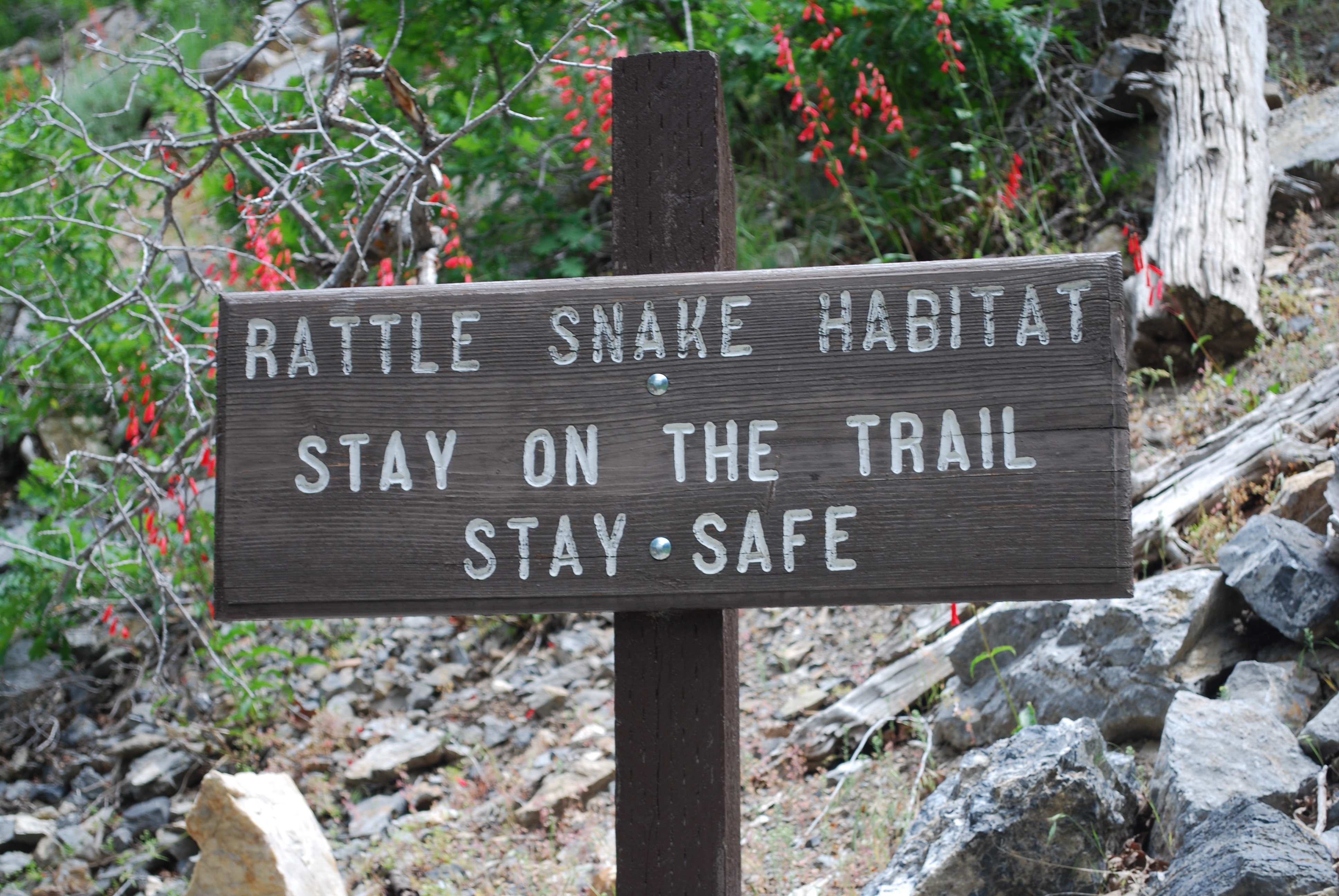
Sign in Utah (my photo, 2011).

Many Gen Xers were raised by television, so to speak, and it's in fact one of the defining characteristics of what shaped our generation (this is how generations are defined, more or less). I was probably on the more severe end of this Gen X continuum, in that like Lennie (our character), I was a lonely, quiet kid and had moved more than most kids (due to my father's being transferred and my parents' divorce). Television and reruns especially (also a favorite of Lennie's, as he references shows like The Brady Bunch and Bonanza) provided a kind of solace and refuge, and there wasn't much quite like the feeling of settling into thick carpet with a glass of Coke to watch reruns on afternoon TV as a way to assuage feelings of loneliness and being out of place (and spectacularly bad at sports). 

Lennie's story thoughtfully takes us to a place where the hero realizes, in the aftermath of his snakebite, the falseness of television and the reality of the people around him and even, appropriately so for a book with older elementary readers as its target audience, the value of reading and education. He writes a report about his snakebite experience and learns to apprepriate the people around him, including the visitors to his motel and a new policeman friend. There are a few striking, even heartbreaking lines in this book, a minor novel from a writer known for other works, including Lennie's thought that he sometimes thinks maybe he "needs to take acting lessons on how to be a person."

Lennie's realization about TV is all well and good for a story (and the snakebite as an awakening agent of change or epiphany is a nice, 4th-grade-level metaphor), though it's perhaps too obvious to point out the irony of this message being revealed through yet another kind of storytelling. It was a standard 1960s-80s perspective to denigrate the value of television, however, so this kind of meaning-making is expected. For me, though, it's important to restate that just as the "real world" exists online even as we insist it is only found elsewhere, television has historically served as more than just a medium for unhelpful advertising and cheesy, worthless entertainment. At its best (even before the so-called golden era of streaming television), it was a valuable medium for communal storytelling with important series like Roots but also with less important sitcoms like The Brady Bunch that helped to bring people together while providing a common set of images and references. 

For me, though it's painful to think about and reveal, television provided an escape but also a salve for my young loneliness, and I still have positive (though not entirely pleasant) memories of eating macroni and cheese while watching reruns of old Planet of the Apes movies that would show on Friday night television. I still like television, though an old book like the The TV Kid (and other books) probably does more to help me with loneliness these days. So I pass this old book along, though I wonder what a modern young reader would make of the dated TV references.

One side note on this book: Lennie conjures an imaginary set of TV commercials in his head for a product called "Friend," a life-size doll companion for lonely kids. This is meant to be rather sad and pathetic (and it is), though it also foreshadows the introduction of the My Buddy dolls in the 1980s (which in turn weirdly provided part of the inspiration for the Chuck movies). Byars and the My Buddy dolls rightly hit on a growing sense of loneliness among male children especially, perhaps, which has in turn grown into an ongoing discussion of male loneliness in general, still with us.   

Sunday, May 19, 2024

Chicken Supreme sandwich

In 2021, Burger King officially entered the Chicken Sandwich Wars, I guess, with a large, "hand-breaded" fried chicken-breast that seems to clone all the others. It's probably a good thing I don't make these marketing decisions, because I think Burger King already won these wars back in the day with its first (now called the "original") chicken speciality sandwich. Yes, it was a sandwich made with a processed patty, instead of being hand-breaded (which, like "crunchy," is just a euphemism for fried) giant sandwich. It was a sandwich you could actually get your mouth around, not a monstrosity which makes its mark by being messy and impossible to eat. 

Original chicken sandwich at BK in Louisiana. (My photo.)


The so-called "Chicken Sandwich Wars" started as an official thing back in 2019 when Popeye's introduced its much-hyped new fried chicken-filet sandwich, and they sold out of the product in a way that would have been embarassing had it not also been a great marketing gimmick. People naturally "blame" the wars on Popeye's, perhaps to the frustration of Chick-fil-A, since it seems obvious that the entire corporate race to create the best chicken sandwich originated with jealousy over Chick-fil-A's popularity. In spite of some bad PR related to the conservative stances of some of the founders, and in spite of the fact that Chick-fil-A isn't even open on Sunday (a related quirk), lines to buy Chick-fil-A sandwiches are always around the block. The sandwiches are just that good.

This is a raw chicken about to go in the oven. "Help me!"


I haven't tried many of the other chicken sandwiches, other than a random Wendy's or Jack-in-the-Box spicy chicken filet sandwich (Jack's budget chicken sandwich is also a guilty pleasure), and these are minor players in the crispy-sandwich wars. The hoopla has reminded me of how much I like the "original" chicken sandwich at Burger King, however. This sandwich, far from being a crispy filet that inspires such adjectives as "fresh" or "juicy," derives its goodness from being tasty and simple. The chicken patty is placed on a sesame seed bun with mayo and lettuce (I like to add cheese to mine). It goes well with the similarly processed BK onion rings, which appear to be made from onion meal rather than actual onions but which I like for not falling apart when you eat them. These are terrible reasons to like foods, I realize, but there you have it. 

I try not to eat BK food or any fast food very much these days, but I remember eating an original chicken sandwich right after renewing my driver's license on my 40th birthday. I was feeling sorry for myself, and the sandwich provided a soothing comfort meal on that day. It also brought up some nostalgic (literally painful in the way that word's origins suggest) feelings about eating lunch in high school. I usually ate at the outdoor snack bar, and while I had some friends in high school, I usually end up eating lunch by myself or with another lonely friend I had, a guy from Argentina. I always ordered the "Chicken Supreme" sandwich, which was a lowly version of the BK sandwich but served on a regular hamburger bun instead of a hoagie roll. The nice older laides who worked the snack bar (and worked very quickly) would pull the chicken sandwich out of a heated drawer. It was packed in a foil wrapper and somehow, besides being a little mushy and oversteamed from that drawer, always tasted pretty darn good with a little mayonaise from a packet squirted on. I also usually ate a Nutty Butter bar as well, and then would promptly fall asleep in my pre-Calculus class after lunch. What can I saw? I was probably a little depressed and not exactly on top of my nutrition game, but I was also in that maddening condition that many 17-year-old boys find themselves: I was skinny, felt like I was too skinny even -- in spite of lifting weights and trying to bulk up -- and it seemed like I could eat whatever I wanted and still would feel hungry. (I would say I envy those days, but really, it created some bad habits that I'm still working on breaking.) 

Burger King has tried offering different versions of the chicken sandwich before, but they keep coming back to the original. There's even a few pages on the web about how to make your own at home. 


Thursday, May 16, 2024

"When I teach, I teach ... When I ride, I ride"

At a point in my life when I was going through a difficult time and wanted to do something different, I took motorcycle-driving lessons. I later bought myself a motorcycle, but it was old and smoked too much, and I probably rode it a total of three times around the neighborhood before selling it. The hobby was over before it really got started, though I still have a nice helmet and motorcycle gloves sitting on a shelf somewhere.

I liked motorcycles and had recently read Zen and the Art of Motorcycle Maintenance, and I was intrigued by the idea of riding a motorcycle feeling like flying, as I remember the author putting it. But I think really taking up motorcycle-riding was a way to challenge a fear I had. This is a realistic, probably overall healthy fear to have (of motorcycles generally, but especially in Houston), but I think it went beyond that. I remember being scared of motorcycles as a kid and not wanting to ride on one with my brother, denying him a chance to ride on some stranger's motorcycle in the small town where we lived in Ohio. When I was in my 20s and talked of getting a motorcycle, people I knew -- family members and in-laws -- said I would kill myself and that I was too much of a klutz to ride a motorcycle. I resented this and wanted to prove them wrong. 

Taking motorcycle-riding lessons was a great experience, and I learned (during the course of instruction) that it's a statistically proven way to be safer when riding a motorcycle. Too many riders just jump on the bike without having any notions of things like countersteering or how to best navigate lanes and road systems designed for passenger cars. Inexperienced riders often don't even know how to brake properly. Moreover, the class was fun and a nice way to do something active and new. 

The motorcycle instructor -- who was straight out of central casting with his small, wire-rim glasses and long braid down his back -- once said during a break, as he was telling some students about his motorcycle and weekending experience, "When I teach, I teach ... when I ride, I ride." As someone who had already spent a few years as an adjunct teacher in the community-college system, this struck me as an interesting if not profound statement, and it stuck with me.

On a rented Kawasaki in Maui in 2004. We drove this all around the western side of the island (with helmets on).


Not long ago, I was asked to read poems to a creative writing class at the college where I teach. I worried about selecting the "right" poems; I wanted them to be accomplished poems and worth sharing, but I also didn't necessarily want to expose too much of myself to students who might have me as an instructor at some point. I was worried about the "content" of some of these poems hinting at things too blue or lurid, since I try to be honest -- really honest -- when writing creatively. I try not to think about "audience" until later, as I'm reshaping or considering publishing outlets for what I've written.  I found a couple of poems that were "suitable" enough, and I used my experience to talk to the students about how writers must be honest and how I respected their ability to understand that.

I've thought of the motorcycle-riding teacher's line often over the years in considering the pressures and contradictions of teaching at the college level especially. We want to be intellectual role models and guides when it comes to complex disciplines in the most honest ways that are appropriate for adult learners, but we also want to be role models in general, to help students understand how to take care of themselves and to get along in life as professionals and responsible adults. Writing isn't always about that; it's often about our failures and our doubts, our struggles. It's often about exposing ourselves for the benefit of others. 

We have different versions of ourselves, and we create those identities out of necessity -- for us and for those that we serve. "When I teach, I teach, and when I ride, I ride" could easily be transformed into, "When I teach, I teach, and when I write, I write." The two jobs are different, and though there are certain intersections when one teaches writing especially, it isn't always necessary to disentagle those complications when doing something like serving as a guest speaker for a creative writing class. You've got to give these students, often young writers, credit for at least understanding that writing must be honest. On the other hand, it's also a good idea to write some poems, perhaps, that work better for a general audience, poems you aren't afraid to show your mother -- or your students. 

I no longer have a motorcycle, though I sometimes daydream about buying another one, something like a classic Royal Enfield or a high-end scooter, and I sometimes rent and ride scooters when traveling to places like Cozumel or Key West. I ride pretty well and am pretty safe. Even on a scooter, it sometimes seems a little like I think flying must feel, even more so than sky-diving, which I've done and which feels like, well, falling. When you ride, you're propelled through the air, buzzing over the ground but not encapsulated in the steel cocoon of an automobile. It's a dangerous freedom, yes, but then teaching -- as we've become more acutely aware of in recent years as politicians have attacked education -- has its perils as well. (Knowledge is power and all that.) Teaching's also a bit like flying, when it's going well. 


Sunday, July 2, 2023

The "new" Star Wars trilogy: An appreciation

The Star Wars prequel movies George Lucas produced and directed in the late 1990s and early 2000s were massive money-makers but were also unevenly received by fans and critics. Many of the die-hard fans thought Lucas had monkeyed too much with his own premises and depended too heavily on CGI effects. Then there was the "wacky," universally hated and vaguely racist Jar-Jar Binks. What's clear enough, especially given how Lucas has also used CGI and other advanced digital effects to "enhance" the video releases of his earlier films, is that Lucas's "vision" has never been exactly what fans thought it was. He was hampered by the limitations of earlier film technology and didn't seem to realize how much those limitations helped him. 

The "new" films were entertaining, though. I still find myself tuning in for a while when they're on TV, which is often because of Disney's current ownership, I suppose. Here are some things (aspects of the films) I think make them worth watching. 

What's Good about the "Prequel" Trilogy:

1. Ewan McGregor

2. That weird rainy outpost where the clones are being created.

3. Yoda's fighting, especially his duel with Christopher Lee. Just watching Yoda in action is great. This is CGI at its best.

4. When Darth Vader kills the young Jedis and when he executes Count Dooku. Good work establishing Vader as especially evil. (It's always been hard to buy Lucas's retrofitted theory that the whole overarching story is about Vader's redemption, but especially after he kills the young Jedis. Sheesh, there's no coming back from that.)

5. Count Dooku generally; also his little mopedish land cruiser bike.

6. Ian McDiarmid as the Emperor. It's also cool that he's been around, more or less, for so much of the saga. 

7. Natalie Portman; even the goofy outfits have a certain bizarre charm. 

8. Samuel L. Jackson and Liam Neeson. Jackson is underused, but they both bring gravitas to the films and take their roles seriously. Of course this is the job of actors, but it must be especially difficult when you're acting with muppets and green screen so much of the time. 

9. Kiera Knightley as Amidala's double and handmaiden, because really, they do look strikingly similar. How many viewers didn't even realize the ruse when watching the first time?

10. Anakin being struck down by Obi Wan, before his scenes of transformation, which are pretty ridiculous (he looks too short, and the scene where he screams "No!" looks like it was created for the purposes of parody). His actual near-death scene, though, is pretty dramatic and gruesome and about how I imagined it as a 9-year-old. (Somehow, we were already passing around stories about Vader's prequel story, which had been fleshed out in some novel or magazine article or maybe just in Lucas's notes about the alleged nine-film saga that somehow got out to the general public.) I think as a kid I always imagined it as more of an actual volcano, but this was all pretty close.    

My with my toy Death Star, 1978. I dislike this photo, but it's a royalty-free image, and the only one related to Star Wars I could find. 


Road House: So Good It's Good

Patrick Swayze's "crowning" movie achievement, 1989's Road House, is often cited as the ultimate example of a movie "so bad it's good." It's easy to see where this comes from: This is not a movie that strives for arthouse emotional catharsis or any kind of subtlety. The plot is ridiculous, and the focus is on roundhouse kicks, raucous bar fights, car crashes, and cartoonish violence. There's even a monster truck for a true 80s feel.  

But I would argue it's actually a good movie, and not because it's "bad." This is not some cheap production with silly attempts at visual scares, like Frogs (also with Sam Elliot). The visuals are well done, as is the editing, the sound, the cinematography. The technical aspects are fine, and the film is tightly written around the central plot, with little time wasted. These actors are taking this material about as seriously as they can; Patrick Swayze doesn't seem "in" on the joke or anything. He's full of controlled rage and physical energy. The other leads, especially Sam Elliott and Ben Gazzara, are believable within this world and fun to watch. Gazzara relishes playing this implausible villain and makes an ordinary line like asking Swayze's character if he wants some breakfast humorous and threatening at the same time. Similarly, Elliott knows exactly why he was cast in this film and fleshes out his character with sardonic wit and sex appeal.

My photo from the Silver Dollar lounge in Bandera, Texas. It's a great dive bar.


There's funny dialogue, sex appeal, and violence that is somehow convincing without being grotesque or even particularly alarming (like an Old West movie). Even the sets, like the "barndominium" Dalton rents, are unique and just appealing to take in. These are filmmakers (with most of the credit presumably going to the director, Rowdy Herrington) that understand the possibilities of movies as rich entertainment, set in the "real" world (in as much as we're in a kind of gritty rural land, supposedly Kansas, with sleazy honky tonks and broken-down cars) but also creating a world of their own that we can submerge ourselves in for a couple of hours. Sure, you might say "oh, come on" at a couple of scenes (like when the monster truck destroys a local auto dealership), but mostly you just sit back and say, "Well, this is entertaining."

It's the focus on ordinary sets as interesting visuals and, especially, Herrington's excellent selection of character actors that set this film apart from "so bad it's good" movies and even the big-budget comic-book movies of today, which are supposedly redeemed by being "entertaining." (For my money, these are mostly entertaining like a video game, slick and fast-paced with very little of the interest that comes with minor characters and "slow burn" sequences.)

My favorite thing about Road House, though, is Herrington's use of minor actors, including the actors with larger speaking roles like Red the auto parts store owner and Kevin Tighe, who has been terrific in so many films and TV shows but will forever be known as "one of the guys on Emergency 51." And what about those character actors? There's the black man who Dalton gives his car to ("What do I look like, a valet?"), the used car salesman (and his sandwich), the diner owner, Dalton's landlord ("like putting an elevator in an outhouse"). Some of them don't even have lines, like the used tire salesman, but they all make quite an impression. Herrington really knew how to find these guys and how to populate a film with colorful characters to make it interesting. This isn't all you need, but it sure does help, and it brings a sense of reality to balance out the main story, which is highly entertaining but, yes, also ridiculous.

Friday, July 8, 2022

Fourth of July movies, part 2

 Here's my list, in no particular order besides the first two, which I've already discussed. 

1. Independence Day

2. Jaws

3. Born on the Fourth of July. I like this movie, but it's actually a little heavy for holiday viewing. The main character was born on the 4th, as the title suggests, and the early sequences featuring a recreated Fourth of July parade and fireworks in small-town American really capture the nostalgic appeal of the holiday, even as theses are set up as an ironic contrast to what unfolds. This movie is on most of these types of lists (with the title and war themes, how can you not include it?), so it's really on with #4 that I start to diverge. 

4. Frogs. This is one of those so-bad-it's-good horror movies about reptiles attacking a family as it begins to celebrate Fourth of July on its Southern plantation island estate. I'm not sure about the cult status of this film, and I'm definitely not convinced it's the best of this type of "bad" movie. It's bad, yes, but Sam Elliot and Ray Milland (and even Joan Van Ark) elevate the acting quite a bit, and it's pretty hard to be dignified when all the other minor characters are being attacked by snakes and turtles (the frogs, oddly, mostly seem to watch). We accidentally watched this on the Fourth of July this year, without knowing it had a Fourth of July connection, so I'm just thinking it's serendipity and that the movie was begging to be put on the list. Plus it is eerie and strange to watch this dysfunctional rich family assemble for its annual Fourth celebrations on the lawn. There's lot of passive-aggressive behavior and cutting remarks, which makes it seem like an authentic rich family to me. The cinematography is also good, as others have pointed out, though the "horror" just mostly looks like well-shot nature images of reptiles intercut with people thrashing on the ground as they are being "attacked." We're just supposed to assume from the intercutting that this is what's happening. That's a lot to ask from parallel editing, and the effect is more boring than funny. But there are lots of other reasons to watch, if you've got nothing better to do. 

Original fireworks photo, from about 2005. Captured on Nikon digital camera.


5. Brokeback Mountain.  This inclusion is also serendipitous, I think, in that I recently read the short story for the first time and have been thinking about the excellent movie. There's a scene where the Heath Ledger character fights some men, in an unexpected and somewhat excessive explosion of violence. After he easily dropkicks the men, who had been offending him by cursing in front of his young children, he's shown against a dark sky illuminated by fireworks. (This makes me pretty sure it's a Fourth of July celebration, though I really don't remember.) Some have apparently criticized the scene as an unnecessary display of masculinity, but, like this writer, I tend to just appreciate the beauty and ponderous nature of the shot. It is a movie, after all.  

Well, this is getting too long again, so I'll add a part 3 for the last few movies. 

Wednesday, July 6, 2022

Fourth of July Movies

Every year, my wife and I watch Jaws and Independence Day as part of our Fourth of July celebrations. Usually we eat hot dogs and potato salad, and just relive the kinds of rituals that always made this a special holiday for me as a kid. (I oddly never cared that much about fireworks, but we also usually watch the New York show for a dose of that.) 

Jaws is not a movie that needs to be defended or explained much in terms of its watchability; there have been lots of documentaries and writings focused on the unique merits of this film and holding it up as an example of make-or-break filmmaking for a up-and-coming director. It's a master class in how to make a truly thrilling (and even scary) movie even when your main horror prop (the shark) doesn't work much of the time. The dialogue is very snappy, and I could go on for a while about how well the writers and Spielberg build in conflict into every line and exchange, however minor, apparently building these strengths up to balance the weakness of the shark (which is scarier the less it is seen, another lesson in horror). Characters talk over each other, and the arguments of the three men on the boat reveal their characters while giving voice to our fears and anxieties. I use clips from this film when I teach screenwriting in my creative writing class, both to show how even a shark movie that's good is still about humans and to show how conflict works to heighten drama even as characters are going about seemingly routine business. The Fourth of July connection is obvious, but it's the way the date is mentioned is a key factor in the island's economic survival that intrigues me. Much of the way people celebrate the holiday in this movie -- the small parades, the food, and the overall middle-class vibe -- reminds me of the July 4th holidays of the 1970s, around the biccentennial, when people seemed genuinely glad to be in America. (Perhaps I'm sentimentalizing the past, but the last few years of July Fourth celebrations have seemed a touch too ironic.) 


Hot dogs, photo taken by me. All right reserved.


As for Independence Day, well, the Fourth of July connection is clear, and it's a big, entertaining movie. There's a nostalgia element for me, in that I first saw it with a friend at like 3 a.m. when they opened the movie by keeping the theaters open all night. The effects really hold up, also, which I think is because of, not in spite of, its reliance on pre-CGI special effects. The effects in CGI films of this period, like Titanic, look OK now, but they still often stick out as false more than they should. This has something to do with "visual literacy" (what we're used to seeing) in films, and it's related to how driving in cars or riding in wagons in old movies always look terribly phony today. To moviegoers of yesteryear, these effects probably looked pretty cool just to be on the screen.

I was interested in finding more July Fourth movies,  so I googled the topic, and I was unsatisifed with many of the lists. All of the lists include Independence Day and Born on the Fourth of July (because why not), but Jaws isn't always listed (!) and other movies didn't seem to belong at all. (Some of the them were just movies it might be fun to watch on the holiday). 

So the second part of this post (Part 2) will include a new list of my own. 

Sunday, December 26, 2021

Euphemisms that become "vulgar"

I mostly hate writing about news like this (anything related to reactionary or so-called populist conservatism), but I think it's interesting how the "Let's Go Brandon" phrase has caused such a stir. It's a misheard line that then became the joke and a not-so-secret "code" phrase for what the chanters really meant (something vulgar and not very deep or informational). It seems to me that the code phrase, at least, evolved from humor and then caught on as a kind of euphemism so people could say one thing while meaning another. And then others decided that a code phrase is just as bad as the real thing. I disagree, in the sense that at least for most children not following the news, you'd still have to explain it. During the Obama years, there were "F*3k Obama" bumper stickers and t-shirts all over the place, and it was all not very clever and just a bit too angry.

Winner, winner chicken dinner.


It is interesting how euphemisms will evolve like that. When a was a youth leader many years ago -- a very young man in charge of younger boys -- I tried to stop the boys from cursing all the time. I told them to substitute the word "chicken" any time they wanted to cuss. I thought it was the equivalent of encouraging people to say "gosh darn." But "chicken" being the word it is -- and 12-year-old boys being who they are -- the boys thought it was hilarious and began using it all the time. "Chicken you," they'd say, or "chicken that." The cursing via euphemism probably increased our overall cursing problem by 10 fold. It was fun, but eventually we had to curb that habit also. This is what you get for trying to make boys behave. 

Saturday, July 3, 2021

Beer is Proof that God Loves Us

Of the many quotes falsely attributed to Ben Franklin (who, like Mark Twain, is a natural persona to hang almost any pithy quote on), the one that makes the most sense to me is "Beer is proof that God loves us and wants us to be happy." For one thing, although Franklin never said this about beer, he apparently wrote something very similar about wine in a letter, so the spirit of the line is there. More importantly, though, is that it's more in line with Franklin's general lifestyle and attitude than the many quotes attributed to him like "a penny saved is a penny earned." That one, too, is apparently not exactly what Franklin said, but it's more in keeping with the prim and proper, later-Puritan persona that we generally identify Franklin with. 


Photo of pint of Blue Moon (taken by me). 


Like so many of the other aphorisms attributed to Franklin, the "penny saved" saying comes from Poor Richard's Almanac, and, like so many of these other familiar quotes, Franklin either created or cribbed them as a way of filling out his almanac with useful bits of everyday wisdom. That's not to say this was who he was. Though a prudent man by many measures -- a man who lived a long and prosperous life -- he was also a highly sociable man, one who enjoyed the company of women. He liked to drink and entertain those around him. He played the guitar and enjoyed the many pleasures of worldly existence, including wine, food, and song. So the "beer" quote, while not exactly accurate, is much more aligned with Franklin's true persona, at least as far as I'm concerned. Franklin had much Puritan heritage and knowledge to draw on for his practical purposes, but he was also a transitional figure, a leading intellectual and inventor during the Enlightenment who helped to guide the colonies out of their Puritan past. 

Franklin is a distant relative of mine (his grandfather was also my direct ancestor, so he's some kind of cousin, nth removed), so I naturally feel a kinship (or pretend to) with his more complex persona, and especially with his idea of happiness and the part of his personal philsophy that might be deemed Epicurean, though it's only one aspect of the man. This is also the guy that basically invented the modern versions of the lending library, post office, and fire department, so there's a lot more than a love of beer going on. But that's also proof that a little wine and song don't necessarily lead to an unproductive life. 

As a brief update to this post: I realized I posted this just a day before Independence Day, without consciously thinking about the patriotic connections, though maybe I was thinking of Ben Franklin for a reason. One sad note about his life is that he basically sacrificed his relationship with his son, who was a British loyalist, in order to support the Revolution. It's a sad thought, but it also should underline the clarity with which the patriots saw the importance of independence. (More recently, people take the idea of abandoning family for political purposes too lightly, with a focus on loyalty to a single man.) I propose a toast to Ben Franklin and everything he stood for on this July 4th. 


Tuesday, June 22, 2021

'Sopranos' and the 90s aesthetic

 We've been rewatching some "Sopranos" episodes, and it's interesting to note how the styles and general aesthetics seem rather dated just a few years later. The series ran from 1999-2007, for six seasons, but its first three seasons aired before 9/11, and it seems the series never really loses its 1990s vibe or aesthetic. Some things -- giant oversized SUVs and flip phones -- while dated, didn't evolve much during the early 2000s, but there are lots of other things that seem more firmly grounded in the Nineties. There's the McMansions and "great rooms" (which even figure into the dialogue), the blond-wood furniture and overstuffed couches. The younger characters (the kids and teenagers) are always playing video games on the TV, and everybody is mindlessly consumeristic. Microwave foods and easy snacks supplement the characters' regular, heavy Italian cuisine. They drink Miller Genuine Draft and Stoli vodka. (Maybe Stoli isn't particularly a 90s vodka, but it's the first time I heard of it, and liquors do tend to have their heydays. Smirnoff, still the top-selling brand in the U.S., used to be considered "top shelf" and still is in the U.K. U.S. consumers in particular can be very fickle.)


Friday, May 28, 2021

Dress Code Distractions

This is not the kind of topic I'd normally write about, since it's been covered to death in national media, but a recent news item brought up several ideas and memories for me related to education and teaching. A high school recently gained national attention when it was revealed that the yearbook advisor had photoshopped a number of girls' photos that she decided were too revealing. The negative attention was well deserved, to say the least. It seems right, as the critics have said, that the controversy sheds light on a long-running tendency of dress codes to be biased against girls and that the additional attention brought on the girls by the editing only reinforced ideas about body shaming.

These dress codes are often defended, as they were in this case, as helping to avoid "distractions," which places the responsibility squarely on the girls for the behavior and mindset of boys. We can do a better job of educating young men to be respectful.

Here's me in high school, not violating dress codes but clearly needing some wardrobe assistance. 


The editing itself, besides sending the wrong message about shame, was also poorly done and represented a violation in and of itself -- changing someone's image without their permission. It reminded me of one of the first ideas I learned in a college photography class when discussing the ethics of photography: while there are legal guidelines about what photos you are allowed to take and who is allowed to edit them, there are also ethical concerns and even possible legal violations with photographing and/or misrepresenting people. In my long-ago photography class, the instructor told us how Native Americans sometimes viewed their photographs as a kind of "stealing of the spirit" and were very reluctant to be photographed in the early days of photography. As I recall, being cocky young people, we sort of laughed at the corny way in which this professor presented this idea, but I also remembered the general fact (which apparently is true, and some Native Americans still resist being photographed) long after learning it. She was a good instructor, and I'm embarassed to remember my attitude in that class.

The idea of girls' outfits being "distracting" also reminded me of how long this discussion has been going on, and it brought to mind a certain uncomfortable moment in my high-school precalculus class. I don't remember the teacher's name, but he was middle-aged man who had worked as an engineer and was now teaching math to high schoolers. (But he was no Jaime Escalante.) For some reason, before class started, the girls were talking about the dress code and the prohibition on skirts above the knee. The teacher, who was standing at the front of the room, with an obvious vantage point that made his comment quite unnerving, offered that too-short skirts were in fact "distracting" for him as well as for the male students. He said this matter-of-factly, as if to say "don't you realize I'm a male with normal sexual drives standing up here?"

The entire class, including the boys, tittered uncomfortably but also objected vaguely, as if we wondered what right this older male had to make such a comment. This was the 1980s, of course, so we didn't expect any repurcussions; it's hard to imagine a teacher these days making such a comment, even he thought it was true, without some serious blowback. And if he thought it was true, perhaps he should have been focusing more on improving his habits of mind; while you can't control your thoughts and emotions all the time, you can practice a more Buddhist-like attitude of steering your thoughts in certain positive directions, which in turn improves your actions and your life.

I wonder about this teacher's thoughts, actions, and attitudes. He didn't like me very much, because I had a habit of falling asleep in class. The class was right after lunch, and his droning lectures were no match for the effect that lunch of a chicken-supreme sandwich, a peanut-butter bar, and a Coca-Cola had on my system. He would try to embarass me by saying nasty things about my future to wake me up. This of course only tended to make him look petty and make the other students sympathize with me. 

I still did reasonably well in the class, as I recall, at least well enough to place out of the course for my first year of college. It was the 1980s, as I said, so I'm not surprised he did nothing to help me. Teachers were still then, for the most part, largely figures of authority, though of course there were caring and empathetic teachers as well. So the questions are rhetorical, but I wonder why he didn't ask what was wrong with me, question whether I was depressed or getting enough sleep. I wonder (but again, not really) why he didn't take more of an interest in helping me or maybe even just pointing to some resources to help me make better dietary choices and help me to avoid crashing in his class. (Of course, there was never any consideration of the possibility that he was too boring.)

The two memories of a high school versus a college teacher also point to some still-remaining important differences in their roles. College teachers can be caring and should point students to resources when they can, but they don't see the students every day, and they don't know them as well. And the students are older and at least ostensibly adults, so they shoulder more of the responsibility for their own lives and their own academic success (even in a boring class). Dress codes have always struck me as being dangerous in their trivial nature; they presume to fix more than they do and really just continue the K-12 tradition of teaching students to be compliant. Why are we worried about what students are wearing if they aren't learning, and do we really think the distractions of certain clothing choices (or god forbid, long hair) are more important than poor diet or lack of sleep when it comes to learning? Quite obviously, we have done nothing to alter school schedules after compiling decades of evidence that adolescents are not getting enough sleep and should not be going to school at 7 a.m., and in fact we keep piling on the commitments. The only real explanation -- a very poor one -- that I've heard for this lack of change is the fact that it would make the circulation of school buses impossible. 


(Afternote: When I've taught at dual-credit locations in recent years, I've noticed how much more relaxed the dress codes in Texas are these days compared to what they were in my youth. Boys sport beards, and everybody wears shorts. Thank god for that kind of positive progress. Shorts are pretty darn necessary in Houston during certain months. On the other hand, the soda machines and poor food choices remain, as far as I can tell, and now students can bring coffee to school!) 


Thursday, May 27, 2021

Sexism, "Two and a Half Men," and Hemingway

I recently came across this 2015 click-bait article offering a list of the "10 most sexist shows on TV." Number 5 on the list, and featured prominently through illustration in the article, is the show Two and a Half Men. Though it's hardly surprising to see this show on the list, I'd suggest that it has more to do with the authors' conflating of the show with the persona and lifestyle of its one-time hedonistic star Charlie Sheen.


(For the record, I've never seen the show without Charlie Sheen, but think it's a pretty funny show most the time. More on that -- what makes it funny -- in another post.) 

The article calls the show "sexist" (misogynistic is used elsewhere in the article) based primarily on the presence of Charlie's stalker-crazy neighbor Rose, the cold and "selfish" mother character, and the parade of short-lived female dates and one-night stands, who are supposedly portrayed as "usually unintelligent and superficial." A similar charge of misogyny is often levied at Hemingway, and I think in both cases it has more to do with our perceptions of Hemingway the private man (who often treated women terribly) and Charlie Sheen (whose life has been raising eyebrows at least since his entanglement with the Heidi Fleiss trial in the 1990s; this fascination with Charlie and the fictionalization of his lifestyle is basically the engine that drives Two and a Half Men and the more cynical but still successful sitcom Anger Management). 

The article misses the point that on "Two and a Half Men," as with just about any sitcom (which lean toward "low" comedy, and that's not an insult), the joke is usually on the main characters. Male characters on sitcoms in particular tend to come off even worse than the women, but in low comedy generally, we are laughing at the main characters as much as we are laughing with them. Contrary to the assertions of the article, many of the "fleeting" female characters on Two and a Half Men (dates with various backgrounds, but also the expected array of waitresses, strippers, stewardesses, etc.) are intelligent, strong-willed, and unwilling to cater to the immaturity of Charlie or to tolerate the annoying qualities of Alan. Charlie and Alan, as they often admit, are the ones with issues, and most of their issues can be traced to a fear of commitment or a tendency to see women in the simplest of terms. They sabotage relationships and spoil good things because they fear the motives and minds of female characters, who they inevitably see in adversarial terms. In other words, yes, the characters can be misogynistic, but that doesn't mean the show itself has that overarching message. 

With Hemingway -- though of course it's more complicated and the comparison is mostly a postmodern dart on the wall -- with the exception of some fantasy-tinged, oversexualized characters, the female characters are often stronger and more human than the sometimes self-hating and self-destructive male characters. Read "Hills Like White Elephants" and decide which of the two only real characters in the story -- the male or female -- come off as more human, more compassionate, more likeable. Hemingway is often showing men at their worst -- pathetic and manipulative, self-defensive in their vulnerability -- and though the male characters don't always get it, it wasn't an accident on Hemingway's part. 

The image from Two and a Half Men featured prominently in the article, of a supposed menage a trois involving Charlie, is actually a shot from a fantasy sequence. Yes, Charlie has an immature and hypersexualized mind, but the females in this case are illusions. The evidence that the mother is unlikeable and hateful is hard to refute, but she's mostly there as a foil, to provide a supposed motivation for the brothers' issues but also so she can repeatedly remind the "boys" that they're grown men who cannot blame their mother forever. This is a positive message for men overall: at some point, it's time to grow up and stop blaming others. But comedy isn't about sending messages as much as it is about laughing at the failures of others -- and also ourselves -- to see what's already in front of them. 


Saturday, December 12, 2020

Pandemic Projects

It's December 2020, and I've just completed a full semester of teaching completely online. The pandemic continues and has gotten worse by some measures. The end is only barely in sight with the new vaccines slowly being distributed.

Besides bingeing old TV series and catching up on sleep, one of the stereotype activities that people have been resorting to during this home time has been baking, specifically baking bread. I haven't baked any bread, but I thought I would reflect on some of the other home projects and activities I've dabbled in during my mostly self-imposed home quarantine. (In Texas, the legal lockdowns have been few, and though many things like bars remain closed, almost everything else is open if you're so inclined to leave the house. I just don't think it's wise. I've been working at home, anyway, and I'm pretty good at being a homebody, so I figure there's no good reason to endanger myself or others.) 

As I mentioned, I've been working most of this time, so I haven't had tons of dead time -- just mostly those hours that would have been spent driving, going out to eat, and running other errands that have been put on hold. The day is also irregular, in that I have been working and staying available 8-5 during the regular semester, but I've also been doing other things as well as working at night and early in the morning, hours before the normal office day. So my day is pretty flexible. 

Here's a list of projects that I've done that would not normally be part of my relaxation or housekeeping routine. (I'll add that while I enjoy cooking dinner sometimes, I never bake normally, and I'm also not much of a handyman.)

1. Made apple liqueur/liquor, sort of like Apple Pucker, using fresh Granny Smith apples, Everclear, and some other ingredients. This was all left to ferment and then put in a jar to make upscale appletinis. (This came out of House Party cocktail hours with my friend Bill and was his recipe; I'll write another blog about House Party, perhaps. It feels like drinking while you're in the middle of the Brady Bunch opening credits.)

2. Added dozens of new trivia notes to Internet Movie Database. This is something I've been doing for years, but I don't do it very often, just when something occurs to me. One example of a trivia list I researched and made that was posted was about actors who appeared as different characters on Dallas and its spinoff Knots Landing. (That's a good example of "trivia," for sure.)

3. Made peanut-butter cookies from scratch. I guess this is as close as I got to baking bread. Justine's friends at work loved them. (She returned to work early in the summer.) 

4. Began scanning my dad's slides. I discovered a lot of images I don't remember at all. It's sort of unnerving sometimes, peeking into these very obscure memories. 

5. Completed a doctorate. (OK, this was going to happen anyway.)

6. Baked a chocolate layer cake with two kinds of frosting. This was not from scratch, which is why it's not closer to baking bread than #3.

7. Began sorting through my dad's coins. This has been more interesting than I anticipated, and I've learned quite a bit. I also spent some time early in the lockdown, before the weather turned hot, sorting through my dad's research boxes in the garage, throwing most of it away. This was both cathartic and existentially difficult. 

8. Related to #7, all but finished putting state quarters in a "collector's" book I got from the credit union many years ago. I want to mail these to our nephew when I'm done, but we're still missing Michigan. It was still not a bad bit of progress, in that the book had been sitting in the back room with maybe 7 quarters in for 10 years. (These aren't particularly collectible except as a hobby-type thing, which is why they make series like this anyway.)

9. Made fresh egg salad and fresh chicken salad for the first time. Probably won't make the egg salad again. It's too much trouble for something you would normally just get at the deli once in a while. 

My chicken salad


10. Made chicken spaghetti (in casserole form) using leftover roast chicken. This was definitely a winner. 

11. Started freezing more of our leftover dinners out of a sense of not wanting to waste food, but just lately started throwing most of those out since I didn't like what freezing did to the texture of the food. (I think when people freeze food for later, like when somebody makes and freezes a bunch of meals for grandma, it's usually not yet cooked or only partially cooked?) The chicken enchiladas are the only thing I think I'll keep freezing. 

12. Paid off the house. 

13. Made and folded an omelet perfectly for the first time. 

14. Finally learned how to poach eggs the right way. I still like the eggs at Classic Cafe better.

15. Made a strange recipe called peanut-butter chicken for dinner. I like almost anything with peanut butter, but not so much this. (What, is he going to post every new recipe he made? I dunno ... nobody reads this blog anyway.)

16. Donated my pandemic stimulus check to a non-profit. (This is both a sneak-brag and a political jab.)

17. Installed a bidet in the spare bathroom. A lot of people were doing this because of the toilet-paper shortage. In fact, it took several weeks to receive the bidet from Amazon, and then it sat on the floor for another two months before I got around to installing it. This was my crowning achievement, not because it was particularly difficult, though I'm nervous doing anything that involves unscrewing the parts of a perfectly good toilet. It was just an interesting and unusual thing to have. I can't say it's really helped save us toilet paper, and I'm not quite sure how people do without toilet paper just because they have a bidet, particularly an after-market toilet attachment like this one (see video below). It's nice to have, though. I was surprised by that. 


18. Things I didn't do that I thought I would do during lockdown: write a lot, practice the guitar a lot, clean out all the closets (where can you take stuff right now?), and read all the unread books. I did read a lot and finished some books that had been lying around.

All of this while still remaining gainfully employed and supervising others. Not too bad for a pandemic.   

Saturday, August 22, 2020

Little House in the Pandemic

During the pandemic lock-down crisis of 2020 in the United States, the 1970s TV show "Little House on the Prairie" has become one of the shows that people are streaming online as they seek ways to feel better and spend idle time. A New York Times TV critic called "Little House" a kind of "comfort viewing" and cited several reasons for renewed interest in the show, including a couple of episodes that deal directly with contagious disease and social distancing.


My wife and I have been "bingeing" the show as well, before we were aware it was a mini-trend during the pandemic, and I believe that while the show does represent the simplicity and admirable values that the Times critic reflects on, it is also simply a great artifact of a time when TV itself was simpler. The 1970s weren't a simpler time, after all, and though the frontier age might seem simpler in terms of family values and small-town pluckiness, it was a dangerous and difficult time to be alive. Though death is rare on "Little House," they don't ignore these realities -- though there is of course some glossing over in the form of well-pressed costumes, blow-dried 70s hair, and flattering lighting, to say nothing of the show's humor and neatly packaged plots.

My sister and her significant other have also been bingeing the show from their home in Nevada, and so it has become a cross-country family affair for us. We watch episodes and text jokes and observations, as well as trivia (mostly this is my doing) on guest actors and other connections. ("The actor playing the big kid in school is the son of the guy who played Hoss on Bonanza," I text her. "Really?" she says, because what else would you say to that?)

My sister is a bit younger than I am, and this show began when I was a very young child and she was not yet born, but it reminds me of a time when TV was something that was "on" in the living room. Either you watched it or you didn't, and often, a family would gather to watch certain shows. I remember watching "Little House" with my family, gathering around on the shag carpet and bean-bag chairs, and I remember my older sister continuing to watch the show on Monday nights in its later years during the 1980s. The show was around almost my entire childhood.

They speak of the recent cable-TV-series boom as representing TV's "golden age," with shows like "The Sopranos" and "Mad Men," but TV as a true medium really peaked in the 1970s with shows like "Little House." The show is incredibly well made, well-lighted and filmed (instead of shot on video tape, a difference in quality that can be easily seen when watching old sitcoms or soap operas). Melissa Gilbert was an astonishingly talented child actress, such that she often makes the other capable child actors on this show seem out of their depth, and Michael Landon was a luminary presence. His quick death in the early 1990s was such a shock in part because he'd always been on TV, starring on an unbroken chain of three successful TV series and countless commercial spots for Kodak.

In spite of the relatively high production values, it's interesting to see how TV production in general was simpler with a show like "Little House," when they really weren't expecting people to watch the show in reruns (sitcoms were more typical rerun fare), and nobody was watching via streaming or videorecordings. Sets and houses are reused in different episodes (there is one house that serves as the dwelling for four or five guest stars before it becomes a school for the blind). Guest actors later become regulars in different roles. Michael Landon, besides being a TV icon and something of a sex symbol, was also an efficient and talented TV director who kept this show running like a machine. The show never seems "cheap," but it was TV made to be TV. Michael Landon himself used to apparently say, "We're not changing the world here."

In spite of this demurring characterization, TV did become more daring and strived to be more relevant in the 1970s, after a couple of decades of shows like "Ozzie and Harriett" and "The Brady Bunch." "Little House" focuses on so-called "family values," but it also deals with touchy issues like child abuse, drug abuse, and alcoholism, and while many TV series had similar storylines, the producers of "Little House" seemed to understand that it's the details that make the difference. No story is really new, as they say.

It's fun to see the parade of character actors in guest spots, as well. As was the common practice in those days, characters appear for episodic storylines and then are never heard from again. It must have been a good time to be a character actor. Some of these very familiar-looking but nameless actors were in 200 or more shows during their careers. Westerns and nighttime dramas helped these working actors stay afloat, in ways that it's hard to imagine the scattered and narrow-casted speciality series doing these days, what with their short seasons (10-12 episodes), long story arcs, and small cast of characters. 

TV may have gotten better over the decades, but in some ways, it's not TV at all anymore.